Strengthening social cohesion in London’s communities
The Voices for Change initiative is an ongoing, wide-spanning piece of work focused on making real change to the cohesion of our communities.
It grew from concerns after the murderous attack on the Manchester Synagogue and the arson attack on the Peacehaven mosque in 2026, as well as the increase in hatred in our public spaces, streets and social media in recent years.
The initiative centres its advocacy on two core questions: “What do we do well?” and “What needs to Change?” By addressing these questions, Voices for Change seeks to identify existing strengths while driving meaningful structural, systemic, and advocacy-led improvements to support and protect communities.
While things have changed for the better in some respects, the lack of cohesion between communities – evidenced by the attacks mentioned above – proves that more must be done to ensure communities in London thrive together.
Voices for Change is an open and flexible initiative, representing a concerted effort from us and our partners to do all we can to improve cohesion. We continue to hold meetings relating to these ideas, and promote the work of others in this space.
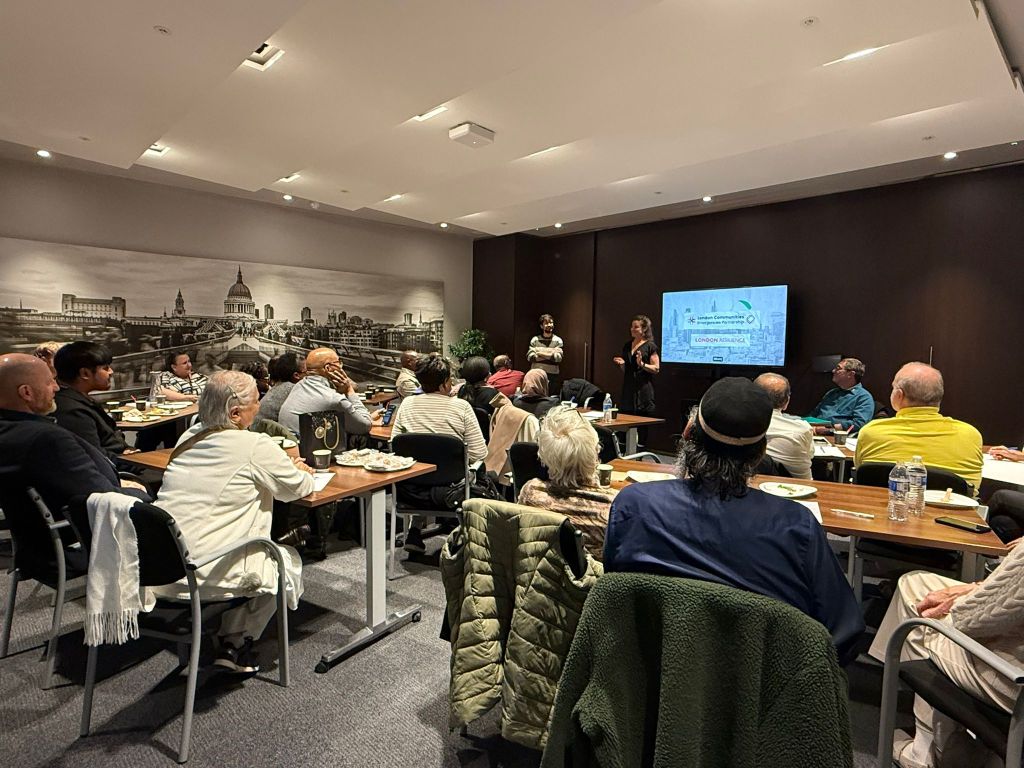
Launching this work, we have two questions which we will be asking across the whole of London.
What do we do well?
Let us continue to amplify and celebrate the amazing work done by individuals and community groups. For example we amplify the amazing range of activities undertaken as part of Inter Faith Week, Mitzvah Day and Holocaust Memorial Day.
Inter faith activity may be dismissed as niche, or only relevant to a select few groups, but we know how important these events are. In difficult and divisive times, people of different faiths coming together to promote social cohesion is deeply important to our national community. These occasions are a reminder that, despite how fractured our society may feel, it’s always possible for us to connect and celebrate our similarities, and our differences, together.
What needs to change?
Not just what can we do better – but what are the dramatic changes that we need? This is everyone’s responsibility, not just victims, not just faith communities but all of the institutions in our networks and our city. And not just ‘what’ but ‘when’ – and the answer must be ‘Now’.
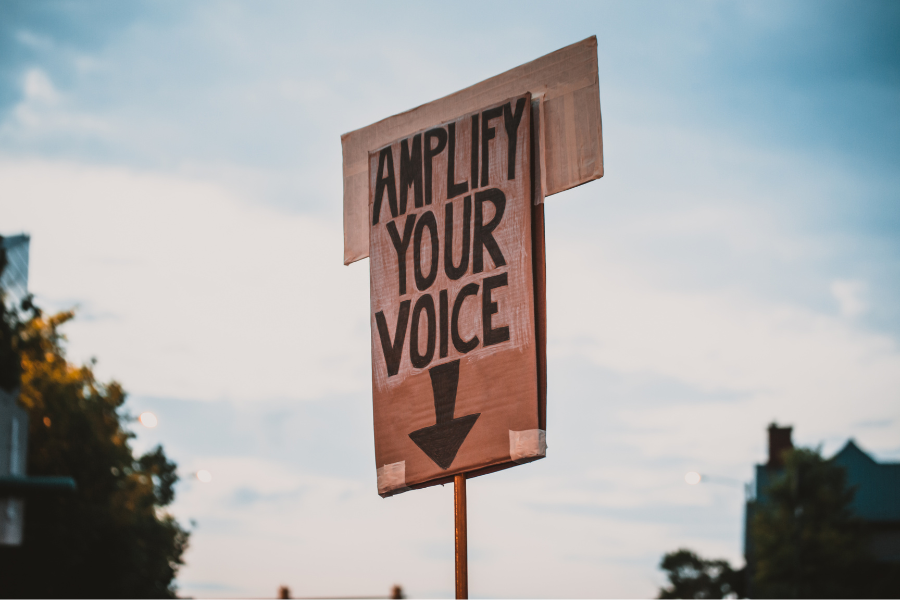
We will help build the move from powerlessness to empowerment by becoming a Voice for Change.
Individuals may feel powerless.
When meeting others in their community they can get support by sharing ideas.
Community groups coming together can capture and build ideas into a strategy.
And when we bring these groups together across the whole of London, we can build a voice for change which is unassailable.
At times of high crisis and anxiety we host meetings in order to:
a) Ensure that protective security operations – and perhaps just as important, perceptions of those operations – are well understood.
b) Ensure that this understanding is spread amongst a broad range of communities to ensure that there is no perception of an ‘inner group’ and an ‘outer group’.
c) Ensure there is an opportunity for communities to feed back their concerns and perceptions to the Police and Resilience professionals. Increasingly there is an understanding that the hostile environments and the incitement to violent acts are not only ‘response’ issues but ‘whole of society’ issues.
- Solidarity and mutual support:
The responsibility of all of us, whether we directly work with those communities or not to show that they are not alone or isolated.
- Protective security and reassurance
Keeping our streets, transport systems and public spaces safe for everyone – Police definitely but also local authorities, businesses and community organisations.
- Language and symbols in public spaces matter
We all have a responsibility to consider the use of language and symbols which have the power to incite hatred, division and violence. Mis-information, dis-information and mal-information must be challenged wherever seen.
- Children and young people
Everything we do impacts the whole of society but there is a particular responsibility on all of us to assess and mitigate the impact on children and young people.
- Building capabilities withing our communities
Widening knowledge of existing excellent resources; extending access to training such as active bystander training; strengthening pan-community networks such as local faith forums.
- Long term strategies
Combatting hatred should not just happen when attacks occur; and then the energy fades away in the following months. It is long term and requires broad cross-sector alliances to be built.
Final Note
Find out more about where this work began with our initial ‘What needs to change?’ document.
If you’d like to keep up to date on this work, follow us on LinkedIn and sign up to our newsletter below.

